








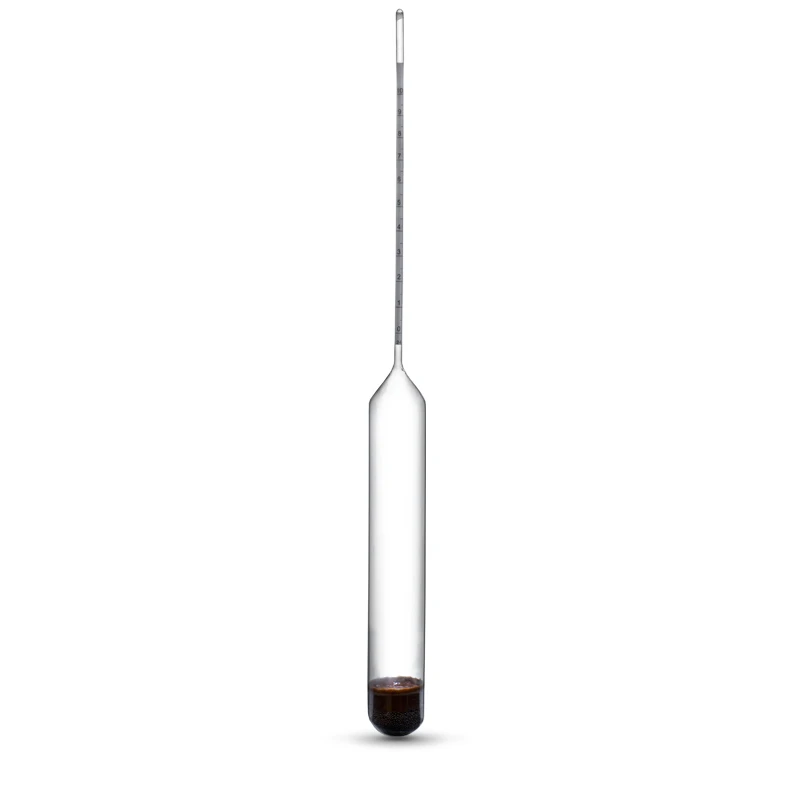
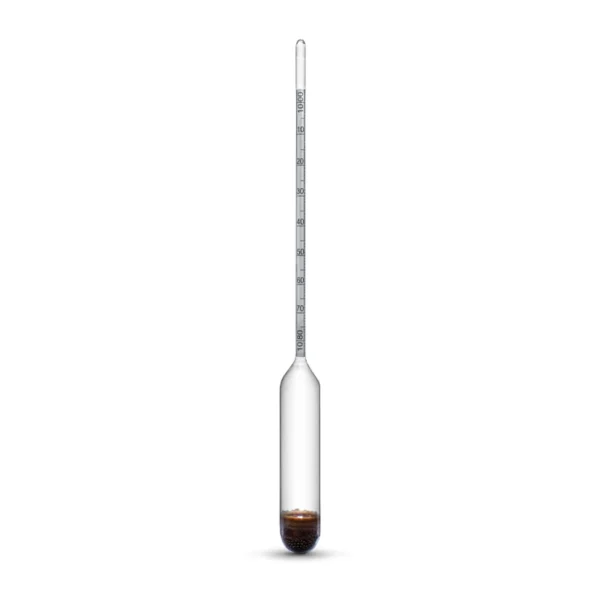
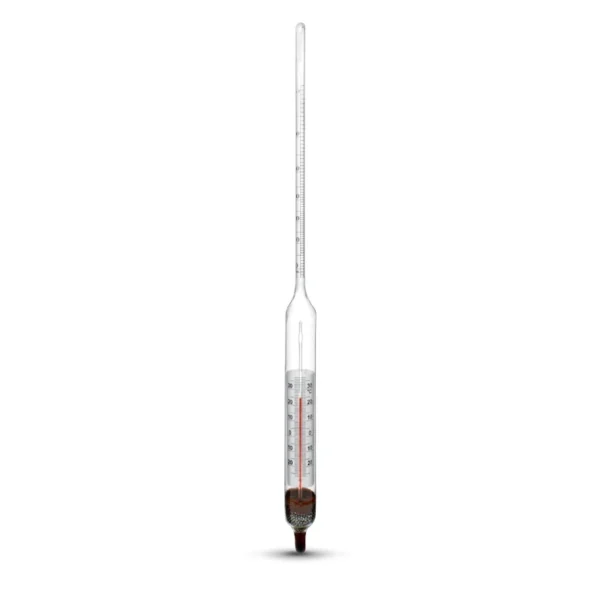
Hydrometer- ASP1 for alcohol
code: ASP1-141205062026
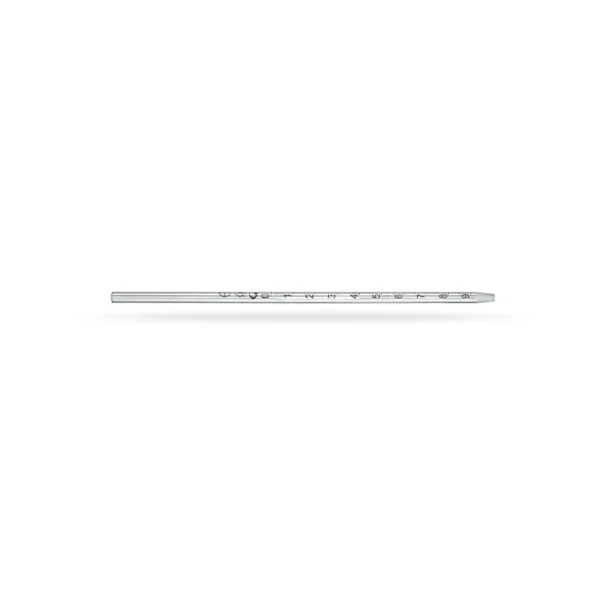
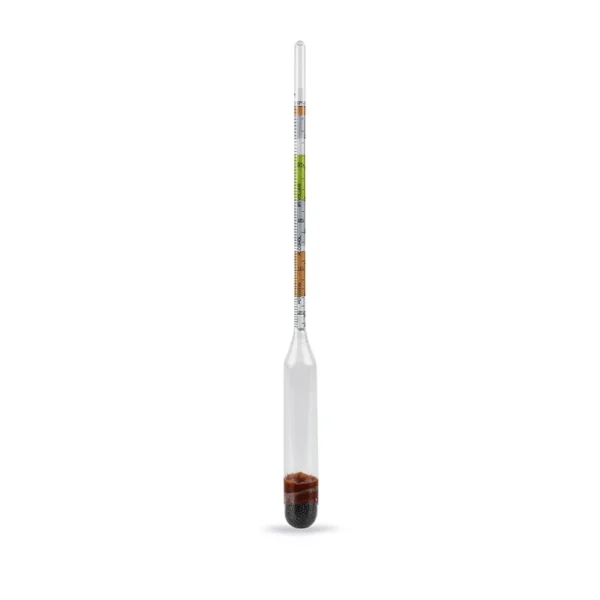
The hydrometer for alcohol is used to measure the volume fraction of ethyl alcohol in aqueous solutions.
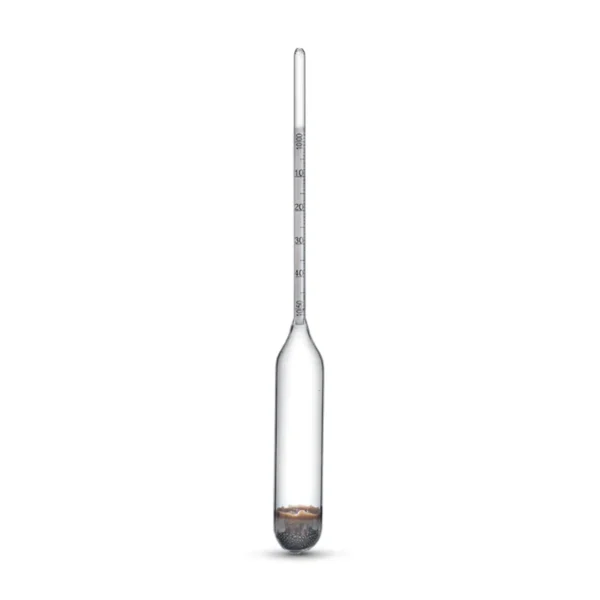
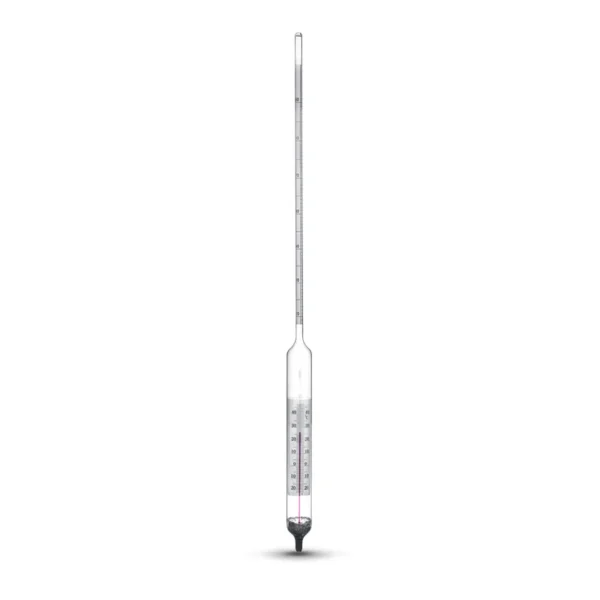
Hydrometer ASPs are used to measure the volume concentration of ethyl alcohol in aqueous solutions. Using alcohol meters gives the most accurate result. Its action is based on the law of Archimedes. The bottom of the hydrometer is filled with a fraction, the upper narrow part contains a scale that is calibrated in accordance with the values of the concentration of the solute or the density of the solution. The density of the solution is determined by the ratio of the mass of the device to the volume of its immersion in the liquid.
Initial measurement conditions
1. Hydrometers for alcohol should be stored in their original packaging, not subject to shaking and other mechanical stresses that could violate integrity and accuracy. Glass models are very fragile and break easily. If cracks, scratches or other defects appear, the device is damaged and needs to be replaced.
2. Most hydrometers for alcohol are calibrated to work in a solution with a temperature of 20 ° C (a deviation of no more than 0.5 degrees is allowed). At higher temperatures, the hydrometer overestimates the strength; at low temperatures, it underestimates. Non-observance of the temperature regime causes a measurement error of up to 7%. The density of the liquid also depends on atmospheric pressure, the recommended indicator is 760 mm Hg.
3. All hydrometers for alcohol (except optical, electronic and wine gauges) are designed to work with liquids containing only ethyl alcohol and water. Any other impurities (sugar, juice, tannins after insisting in a barrel, salts of heavy metals in water and even fusel oils of poorly purified moonshine) change the density of the solution, leading to inaccurate measurements. This is the most common mistake made by beginners.
How to measure strength with a hydrometer for alcohol
1. Dilute alcohol with water, wait 5-10 minutes, until the intensity of the chemical reaction decreases (at this time a lot of heat is released).
2. Wipe the hydrometer with a dry, clean cloth so that there are no greasy or dirty spots. The device must be completely dry before immersion in liquid.
3. Bring the temperature of the solution to the recommended – 20 ° C.
An approximate correction of the readings of the alcohol meter depending on the temperature of the alcohol is shown in the table, the calculation can be done using the calculator of the moonshiner.
4. Pour alcohol-containing liquid into a high, narrow, small-capacity container (volumetric flask, cylinder, or beaker).
5. Carefully immerse the alcohol meter with the wide bottom into the liquid in the middle of the vessel. If thrown very sharply, the device may hit the bottom and break.
The hydrometer must not touch the walls of the vessel!
6. Wait until the hydrometer stabilizes at the same level. If drowned, it means that it is faulty or not designed for this fortress. For example, a device operates in the range of 0–40%, but is dipped in alcohol at 70%.
7. View the result. Depending on the design of the hydrometer, readings are taken from the bottom. This moment must be indicated in the instructions.
In most models, readings are taken from the lower edge of the meniscus.
First, it is better to place the eyes below the liquid level so that the elliptical base of the meniscus is clearly visible. Then slowly raise your head, watching how, tapering, the ellipse turns into a straight line, at this moment see the result.
8. Remove the hydrometer from the volumetric flask, wipe it, put it in the factory case for storage.
ASP-1
| Name | Volume fraction measuring range,% | Scale divisions,% | Length, mm |
| ASP-1 | 0…10, 10…20, 20…30, 30…40, 40…50, 50…60, 60…70, 70…80, 80…90, 90…100, 95…105 | 0,1 | 350 |
| ASP-2 | 11…16, 16…21, 21…26, 26…31, 31…36, 36…41, 41…46, 46…51, 51…56, 56…61, 61…66, 66…71, 71…76, 76…81, 81…86, 86…91, 91…96, 96…101 | 260 | |
| ASP-3 | 0…40, 40…70, 70…100 | 1 | 220 |
Reviews
There are no reviews yet.