








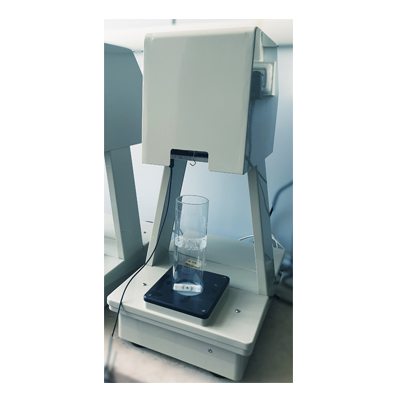
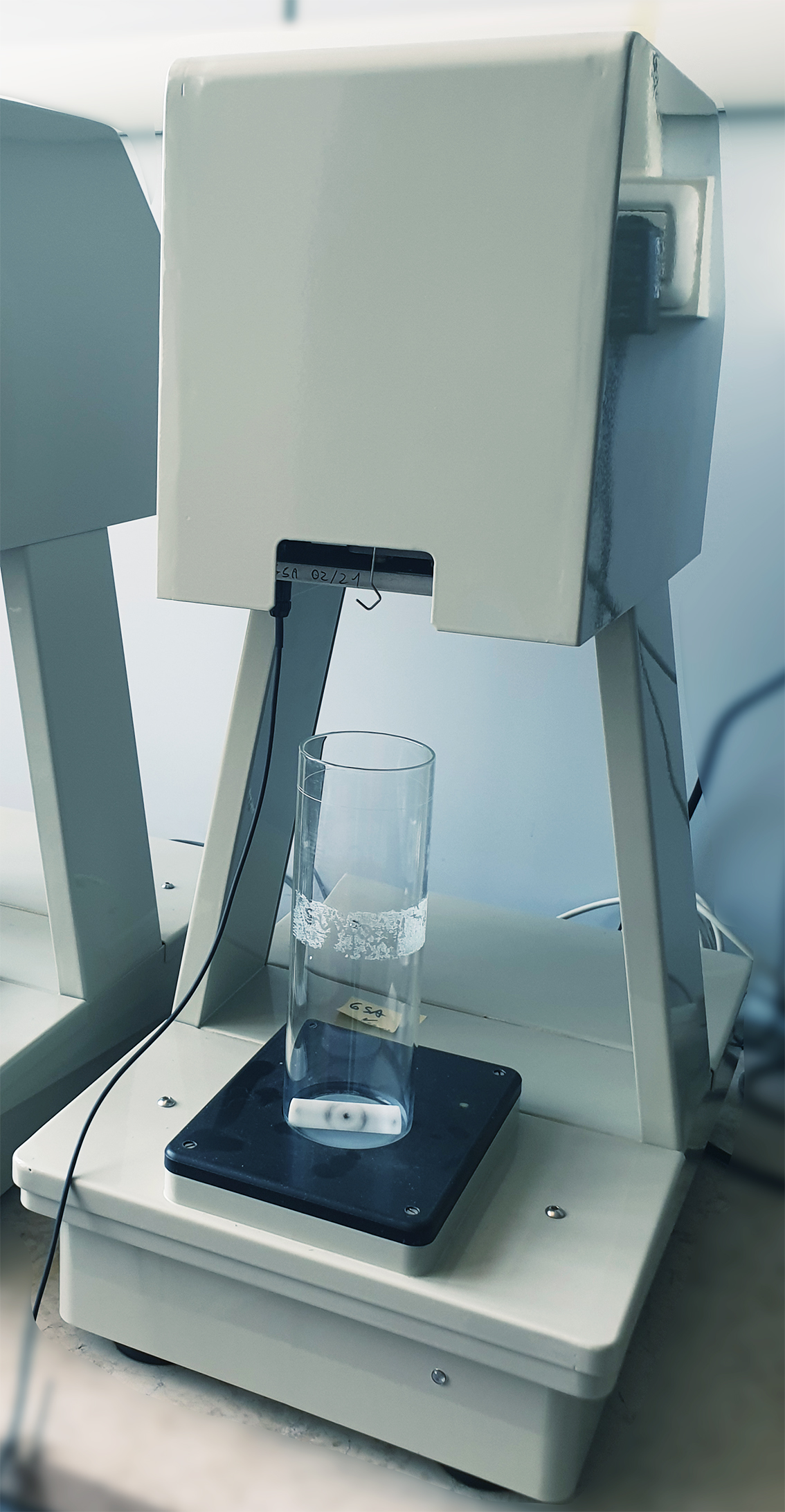
GSA (Grain Size Analyzer)
code: 013305102026
Gibertini catalog link:
https://labprim.com/storage/PDF%20docks/CatalogoGibertini_ENG_0119.pdf
GSA – Grain Size Analysis – Particle Size Analysis
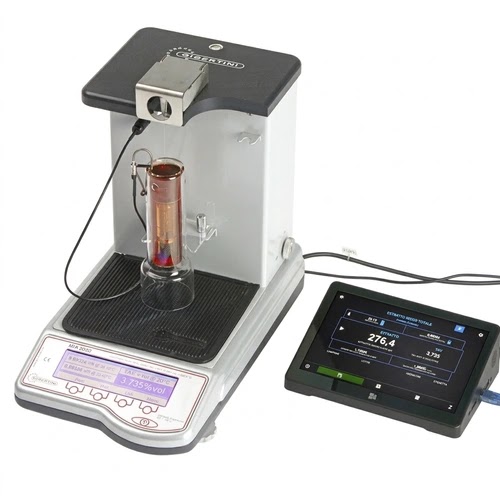
GSA – GRAIN SIZE ANALYSIS: analytical instrument for soil particle size analysis, IN COMPLIANCE WITH ASTM D422 AND UNI CEN ISO / TS 17892-4 STANDARDS. More advanced than only sieve analysis.
GSA – Grain Size Analyzer
The particle size analysis is a typical laboratory test conducted in the field of soil mechanics. The purpose of the analysis is to obtain the particle size distribution of the soils. It allows to group the particles making up the soil into different size classes and to subsequently determine the weight percentages of each class referring them to the dry weight of the initial sample.
The Particle Size Analyser allows the granulometric characterization of soils by measuring the progressive reduction of the density of a soil suspension, consequent to the sedimentation over time of the particles of the material.
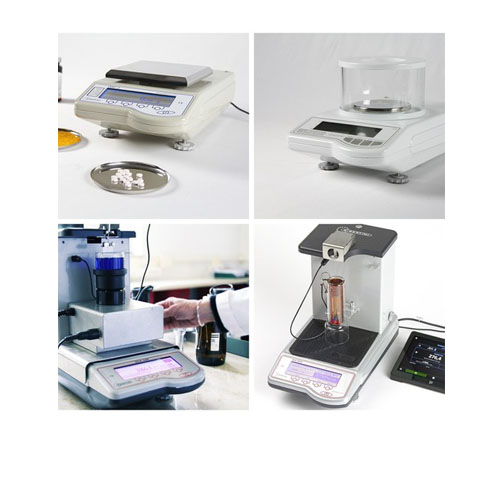
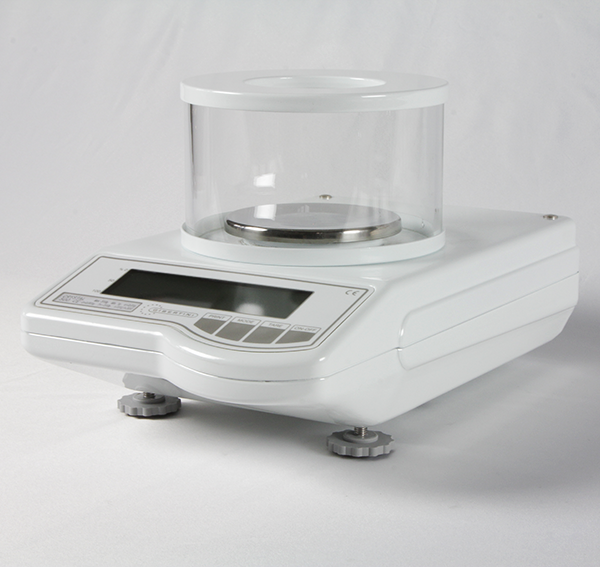
This particle sizer uses the procedure prescribed by the ASTM D422 and UNI CEN ISO / TS 17892-4 standards, applied to an electronic hydrostatic balance for the measurement of the modified density.
In particular, it detects the finest fraction of the ground from 0.100 mm to 0.001mm.
GSA – GRAIN SIZE ANALYSER – FEATURES
Official Method
The GSA Grain Size Analyzer determines the particle size by wet sieving with hygrometer (met. Uff. n. II.6 G.U 248 of 21.10.1999)
The main features of the GSA instrument are:

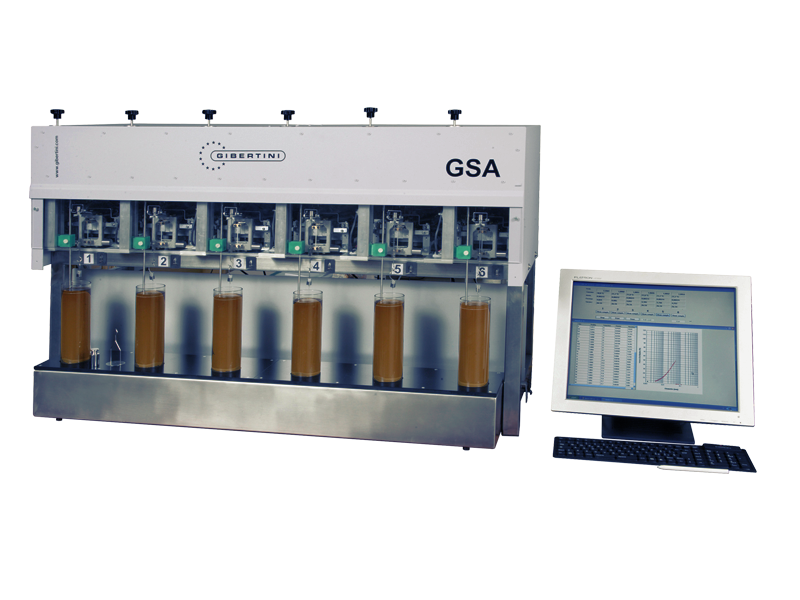
GSA measures the density of the suspension at different time and the result is expressed in g/kg. The water-soil suspension is prepared inside a glass cylinder containing water, soil and sodium hexametaphosphate, to facilitate the dispersion of the soil particles. The sample is stirred with a magnetic stir bar for 10 minutes at a controlled and constant speed. The density is carried out by means of a float hooked to the hydrostatic balance.
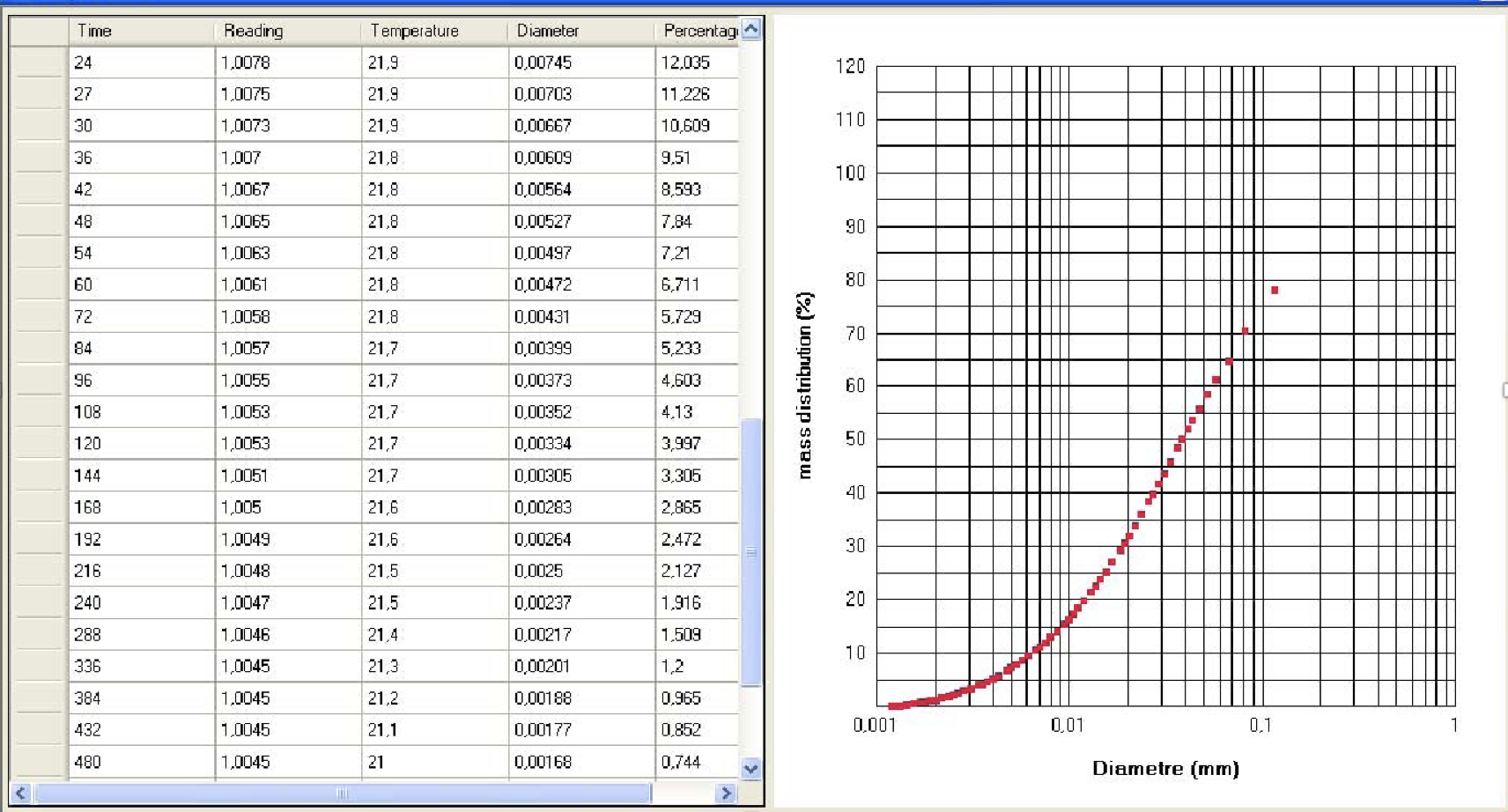
The instrument is completely managed via software and allows the collection and processing of the acquired data, as well as the optimization of the test parameters, thus guaranteeing applicability to the most diverse types of loan and a high repeatability of the results. You can view the trend of the updated data in real time each time a new reading is acquired.
The visualization in real time and in graphic form, provides the operator before the end of the test, a reliable forecast of the trend useful in many cases to determine the characteristics of the terrain well in advance .
Main features
| Positions / Analysis | 1 position, 3 positions, 6 positions |
| Land survey | 0.100 to 0.001 mm |
| Analysis time | 5/6 hours |
| Sample volume | 500ml |
| Range of density | 0.900 to 1.0500 with 4th decimal place precision |
| Power Supply | 100/240 VAC via external power supply, 50 Hz |
| Repeatability | better than 2% |
APPLICATIONS
Analysis software
The software continuously acquires the values read by the GSA and collects data :
AUTOMATIC
Faster & Safe analysis
The use of the conventional method (pipette and densimeter) takes about 24 hours for the analysis of each sample, while the particle size analyzer allows the complete analysis in about 5 / 6 hours without the help of the operator. GSA has been designed to run up to 6 samples simultaneously.
Sample preparation:
Thanks to the measurements that are carried out continuously, acquiring data at predetermined intervals, and depending on the sedimentation speed of the soil particles, the instrumental management allows to obtain extremely more reliable results and a very high repeatability of measurements, avoiding measurement errors in the early stages of the analysis, due to irregular sedimentations and the difficulty of measuring the suspension density at the times indicated due to the reduced visibility of the graduated scale of the densimeters.
GSA – Particle Size Analysis further to Sieve Analysis – Applications
The soil classification criteria and acceptance of construction materials for roads, airports, dams, etc., are mainly based on particle size analysis. The information obtained from this type of granulometry test, together with the permeability tests, is used to study filtration problems. The sizing of the filters is defined with a right choice of the granulometric curves of the materials that constitute them, thus allowing the creation of excellent drains.
The GSA Grain Size Analyzer may be used in the following sectors:

Soil properties: “Texture” is a particularly interesting soil parameter: it influences drainage, plasticity and adhesiveness of the soil, as well as its vulnerability to erosion and the percolation of pollutants and the ability to host different types of crops; some chemical characteristics, such as cation exchange capacity, are also correlated with texture. With the data of the texture, it is possible to carry out a first evaluation of some properties of the soil; for example, a predominantly sandy soil will be well aerated and easily workable but will retain little water and will probably be poorly equipped with nutrients, consequently fertilizations will have to be more numerous and lower doses of fertilizers must be used. These soils are also easily eroded by the wind. A clayey soil will usually be characterized by opposite properties: they are more fertile, contain more organic matter, are able to retain a greater amount of water and nutrients, on the other side, they are difficult to work with and also have a low or moderate tendency to be eroded.
It also allows a study to be carried out for the foundations, for embankments (mounds of earth, road that runs at a higher level) and for road pavements, for embankments and for other artifacts.
By granulometry (or texture) of a soil we mean the distribution of the single mineral particles. By international convention, the particle size measurement is carried out by separating the particles based on their diameter (sieving). The fraction with a diameter greater than 2 mm constitutes the “skeleton”, while that with a diameter of less than 2 mm is called “fine earth”.
On the basis of the diameter of its particles, fine earth is classified into each of the following components:
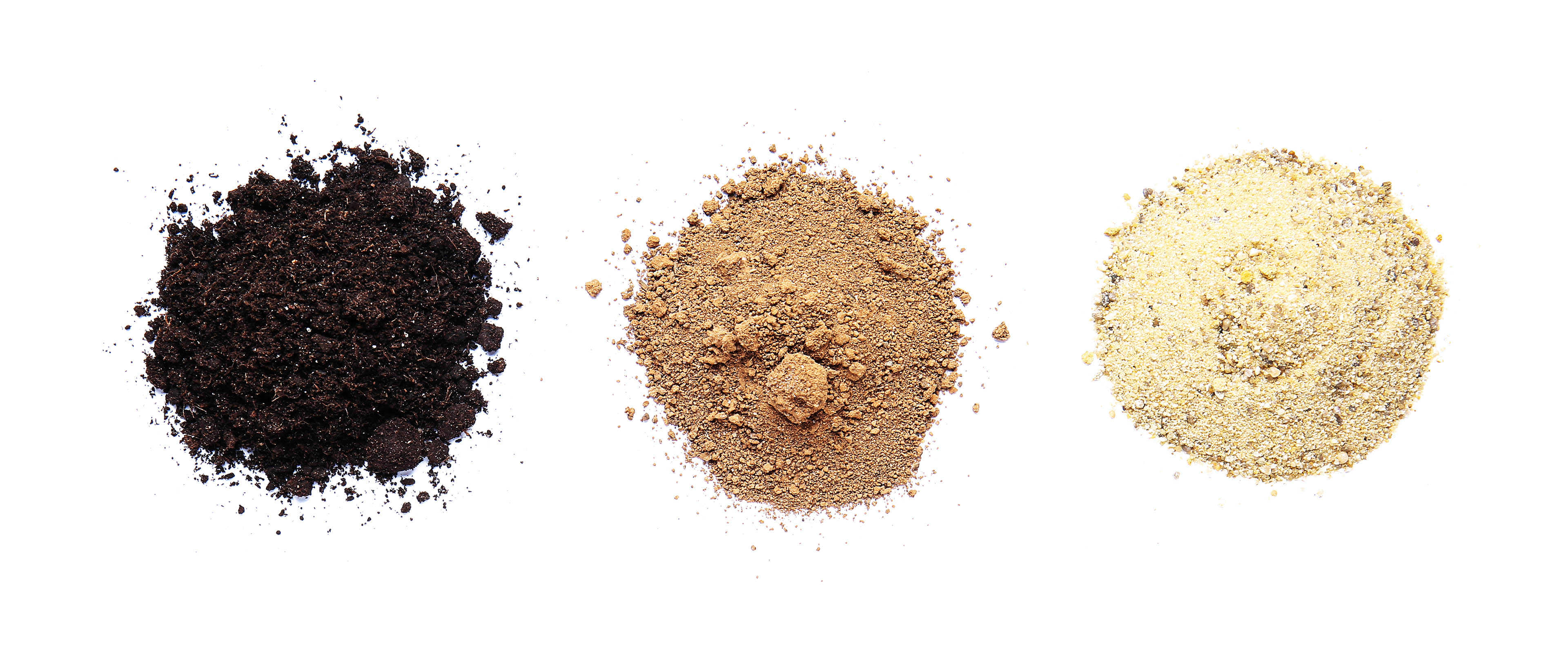
Three large groups of recognized texture classes are divided into subclasses for a total of twelve grain size classes according to the U.S.D.A (United States Department of Agriculture)
The particle size analysis allows us to determine this distribution and is performed with two different techniques: dry if the materials are made up of large granules (up to fractions of a millimeter) and wet if the materials are made up of fine grains ( down to fractions of microns). The operation through which the grains of an earth are separated by sieves is called screening or sieving: it is carried out by hand or with a vibrating screen / sieve shaker.
For very small granules, proceed using sedimentation analysis. The method consists in dispersing the fine parts in water and examining the different sedimentation speed of the solid particles. Stokes’ law is applied which establishes a relationship between the diameter of the suspended granules, the viscosity of the liquid, the rate of fall and the specific weight of the granules. The larger diameter particles (sand) precipitate first, while the finer ones (silt and clay) remain in suspension for a long time.
To disperse the particles before the actual determination, the medium is placed in contact with a dispersing solution of sodium hexametaphosphate (CALGON). These conditions are maintained for a few minutes; then the sediment with the addition of CALGON is placed in a mechanical stirrer kept running for about 10 minutes. The purpose of this operation is to make it act on the aggregates by transforming them into single particles. At the end of this phase, the suspension is placed in a glass cylinder with the addition of distilled water up to a total volume of 1000 cm3. Before reading the density of the fluid, the entire contents of the cylinder are shaken by closing the upper top. At the start of the test, a densimeter is inserted, calibrated at a temperature of 20 ° C in distilled water.
The readings of the density of the fluid at time intervals (measured by chronometer) are thus carried out. The result of the analysis is made more clearly visible through the creation of graphs that show:
You can order the product from our website or in person at the Samaia LLC store.
For details, please E-mail us or call us at our office phone number.
Reviews
There are no reviews yet.